

On Reading
What no one wants to say out loud about books and readers.

Note: I started thinking about this newsletter a week ago when the Guardian’s 100 Best Novels of All Time began showing up on friends’ feeds shared as a culture-flex, kind of like Spotify Wrapped, or the more gauche “how many of these exotic travel destinations have you seen?”
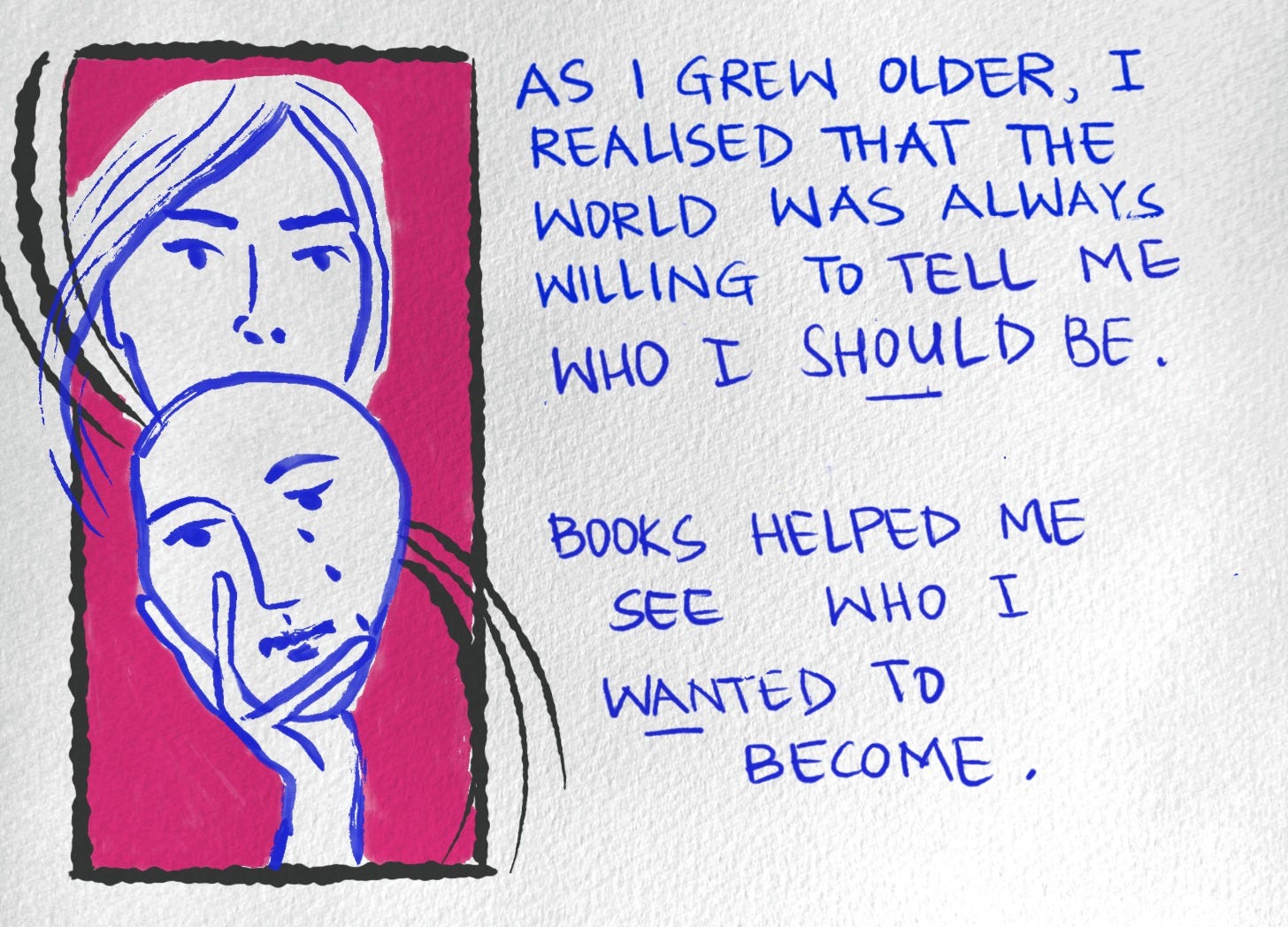
Reading is a flex, I thought. Not just because you have free time, but because you are able to control how you spend your free time. The reading list was also followed by despairing confessions: how does one go back to reading classics in an age of distractions? Everyone I speak to seems to have lost their reading stamina. Why?
It’s hard to hold a thought these days. It’s no wonder that it’s hard to hold, let alone read and digest an entire book. But there’s more to it. I’m here to remind you why we abandoned books, the ORIGINAL dangerous, addictive gateway drug that leads to all kinds of madness.
Reading makes you want to act courageously and slay dragons. It makes you want to upend your life for a barista or fight a bullfighter. It makes you care. No wonder people aren’t reading anymore.
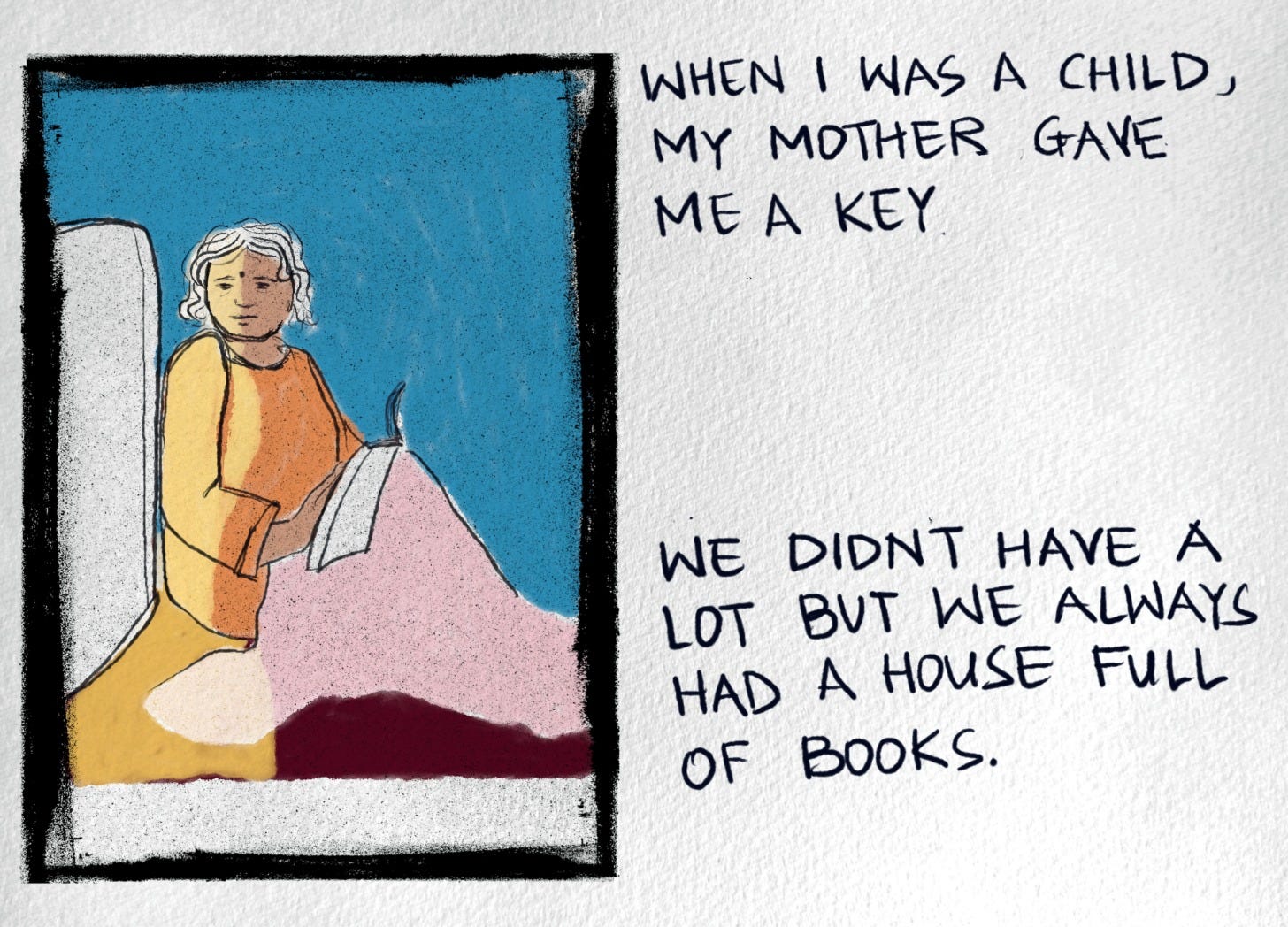
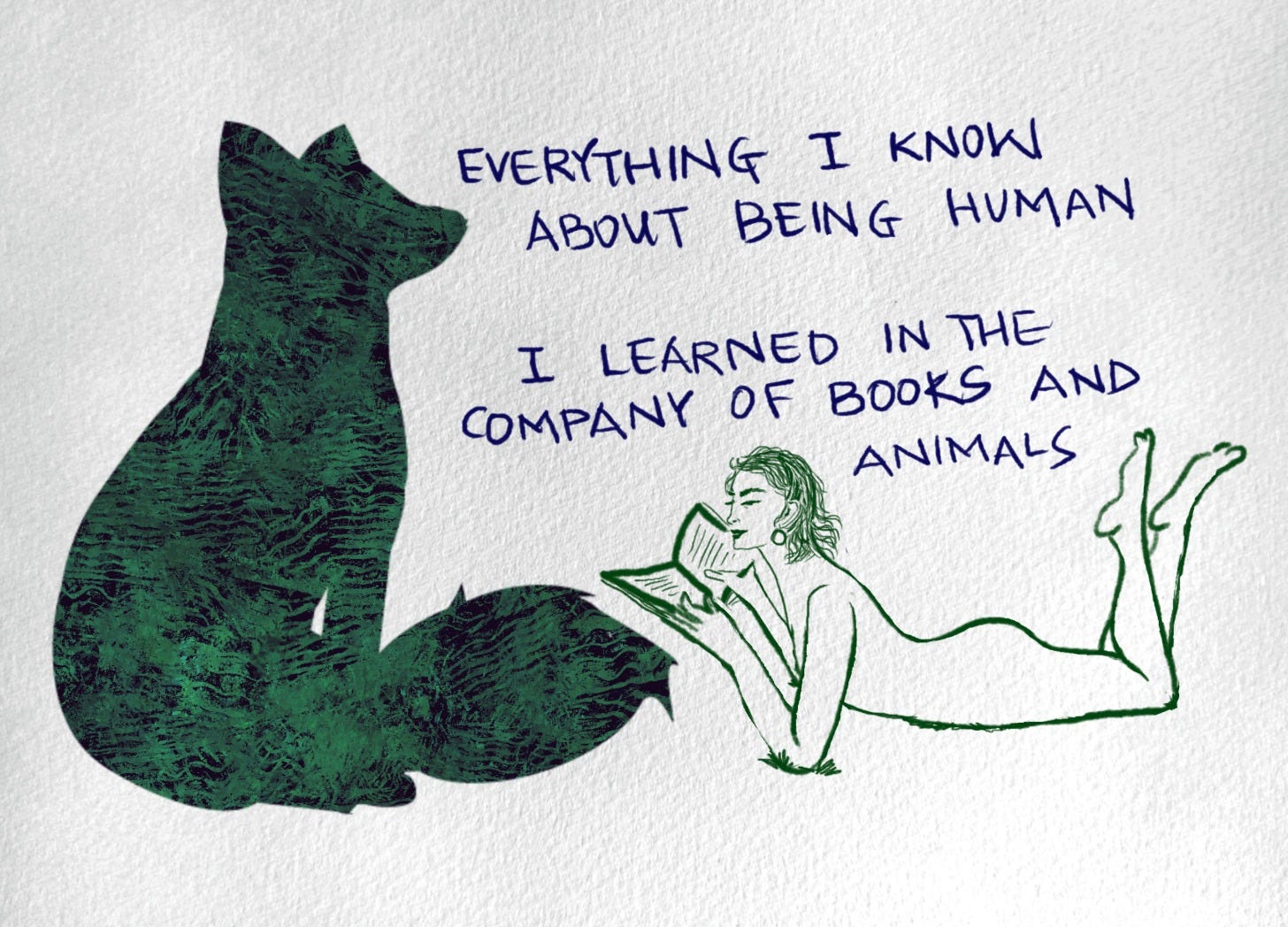
It’s happened to me. Books have upended my life. Not in a self-help, wake up early and quit smoking kind of way (although, that too) but in the sense that I have read about people I never met, thought about their lives, inhabited their worlds so fully that ending the book felt like being wrenched out of a deep love. I swore to myself that I’d never let myself bleed into someone’s life like that again. But it’s happened countless times. I read The Lovely Bones and Lucky in the same month in 2014 and it made me want to die, but also to live long enough to write like Alice Sebold. My Brilliant Friend was a recounting of every painful female friendship and heartbreak I’ve ever suffered. The Kitchen God’s Wife told me something about domestic violence and marital abuse that I’d struggled to make sense of with my own parents. Recently, walking through Tracey Emin’s incredible exhibition at the Tate Modern, I realised the only reason I wasn’t a blubbering mess on the floor was because I’d already read and blubbered over her book, Strangeland.
This is not to say that you’re safe if you avoid books by brilliant women. Other kinds of books will do your head in too.
At least it wasn’t as bad as what happened to this other guy. You might have heard of him: Joseph Campbell spent five years unemployed, reading for nine hours a day, every day. He followed one book to another, one idea to another, until he forgot to worry about prestige entirely. Finally, someone asked him if he’d like a job… teaching literature.
Okay, so it kind of worked out for Campbell. Not every one of us will find a job while reading in the woods. But reading can and often does help to find your way out. In his book Pathways to Bliss Campbell writes that we are each called to our own adventures, our personal hero’s journey if you will, over and over in this life.
“Each time, there is the same problem: do I dare? And if you do dare, the dangers are there, and the help also, and the fulfilment and the fiasco.
But there’s also the possibility of bliss.”
Books are a lot like that. You might abandon a story a few pages in, or hate-read it in one night so you can text about it all day in the group chat (guilty).
I don’t think the only reason we’re reading less is because we’re on our phones a lot more. It’s because (good) books, like (all) people, like life, dare us to go on a journey without the promise us that things will feel safe and comfortable and end predictably well. It’s not that our attention spans are incapable of focus anymore (ever binge watched an entire season?), it’s worse.
Reading asks us to surrender control. To admit that we’re standing in the middle of a chapter in our own lives, with no idea what happens next.
More soon,
Nish
I am not distracted. I am fixated.
Thanks Santosh! Glad the drawings spoke to you.